A Local’s Guide to Finding and Enjoying Authentic International Cuisine

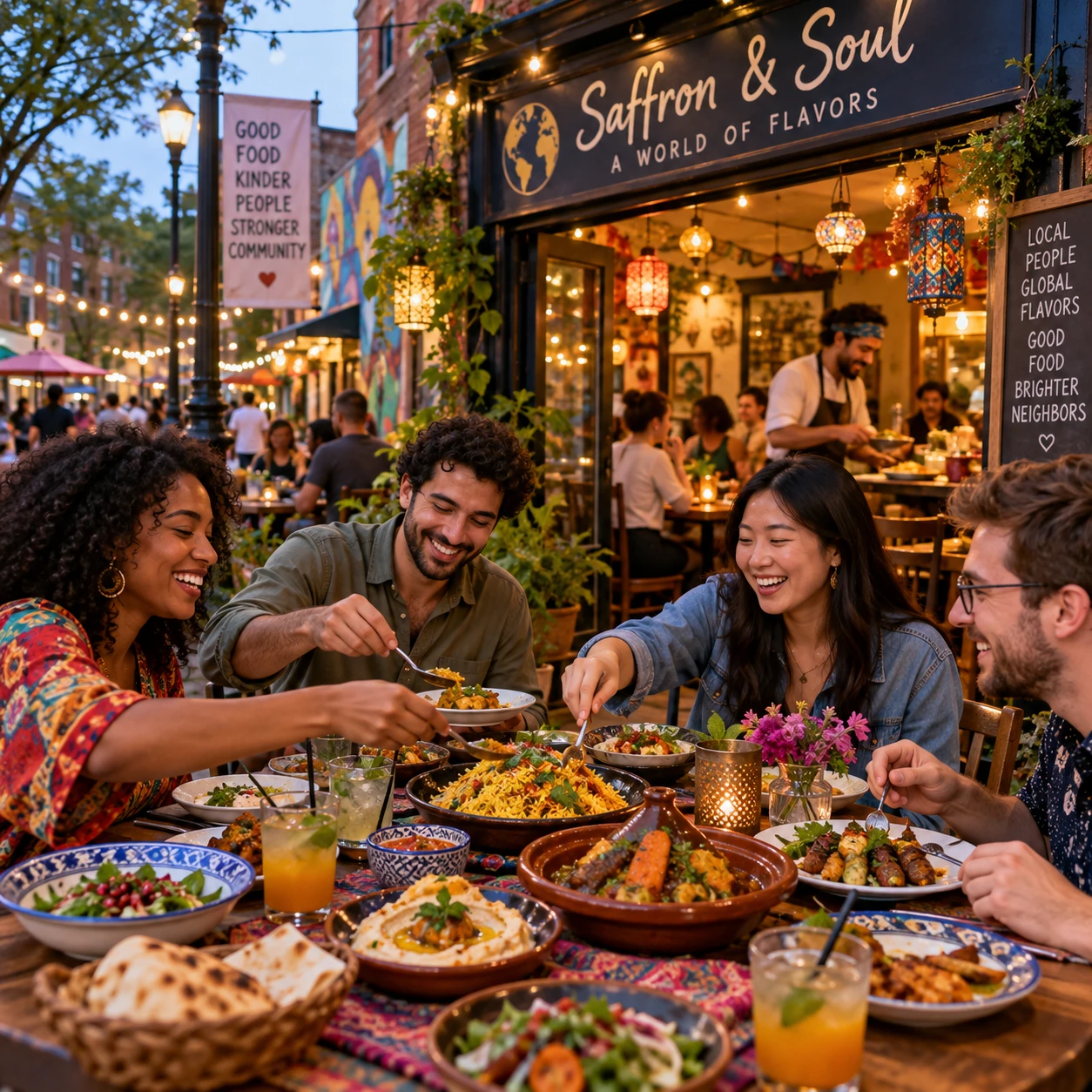
A memorable meal can introduce you to a region, a family tradition, or an ingredient you have never tasted. Finding international cuisine in your area takes more than searching for a familiar label: local food communities, restaurant menus, and the people who cook and serve the food can all help you find a place that suits your curiosity.
There is no single test for whether a restaurant is “authentic.” Cuisines change as people move, ingredients become available, and cooks adapt family recipes for new communities. Instead of looking for a rigid standard, approach each restaurant with curiosity and notice how its dishes, regional ingredients, and hospitality fit together.
Start with the Neighborhood’s Food Communities
To find international restaurants with strong ties to their food traditions, start with neighborhood food communities and local recommendations. People who know a cuisine can often point you toward regional dishes and locally owned restaurants that a broad search may miss.
Ask coworkers, neighbors, or friends where they go for a particular meal, and invite specifics: What do they order? Is there a dish they associate with a certain region or season? A useful recommendation often names a specialty, not just a restaurant. Community events, cultural festivals, and local markets can also introduce you to food traditions and the businesses that share them.
Online reviews can help you compare hours, prices, and menus, but read them with care. A diner’s idea of “authentic” may mean a dish tastes like one they grew up with; another person may prefer a different regional style. Look for detailed comments about particular dishes and service rather than treating a score as a verdict.
Let local knowledge guide your search, not limit it. A restaurant serving a community’s everyday lunches may be just as rewarding as one known for celebrations. And a newer business may be building a meaningful connection to a cuisine even if it is not in a long-established food district.
Look Beyond Familiar Restaurant Labels
To explore international cuisine more thoughtfully, look for a restaurant’s specific region, culinary tradition, or specialty instead of relying only on a broad national label. Many countries contain distinct food cultures, so a general category can hide the variety on offer.
For example, a menu may focus on one region’s noodles, grilled foods, stews, breads, or seafood rather than attempting to represent an entire country. The same dish can have different ingredients and preparations across regions, towns, and households. That variation is part of the story, not proof that one version is more genuine than another.
Notice how a restaurant describes itself. A regional name, a focused menu, or an explanation of a specialty can help you understand what the kitchen wants to share. Still, labels are only an entry point. Some restaurants adapt dishes to local tastes, offer familiar options alongside less-known ones, or combine influences. Those choices do not automatically make the food inauthentic; they may reflect a restaurant’s audience, history, or practical limits.
If you are unsure, search by a dish or ingredient you have heard about, then check which nearby restaurants serve it. This approach can uncover smaller menus and neighborhood favorites that general searches overlook. Keep an open mind: **specificity helps you explore, while no label can capture every cook’s experience.**
Read the Menu for Clues
A restaurant menu can reveal its culinary focus through regional dishes, ingredients, and cooking methods. Look for details that explain what goes into a dish and how the kitchen prepares it, rather than judging a restaurant by the number of unfamiliar names.
Menus that name a region, describe a house specialty, or highlight a particular preparation give you useful context. You might see a familiar ingredient paired with an unfamiliar sauce, a particular cut of meat, or a cooking method associated with a place. Seasonal dishes and regional ingredients can also signal what the kitchen values, though availability may change with suppliers and the time of year.
Family recipes may appear as a restaurant’s signature dishes, but not every menu has room to tell that story. A short menu can reflect a focused kitchen; a long one can serve a varied neighborhood. Neither is conclusive. Look at the menu as one clue among several, alongside staff recommendations, the restaurant’s own description, and what you learn by tasting.
- Look for context: regional names, dish descriptions, and notes about house specialties.
- Notice preparation: words that describe grilling, braising, fermenting, steaming, or other methods.
- Check ingredients: unfamiliar herbs, grains, sauces, or regional produce may point to a distinctive style.
- Ask about flexibility: if you have an allergy or dietary restriction, confirm ingredients and cross-contact directly with staff.
Do not assume that a dish is better because it is harder to pronounce or less familiar. A menu is a guide, not a test of culinary knowledge.
Ask Thoughtful Questions and Try Something New
To choose an unfamiliar dish, tell your server what you enjoy and ask for one or two recommendations. A specific, respectful question helps staff guide you toward a meal that fits your taste, appetite, and dietary needs.
Try prompts such as, “Which dish best shows this region’s cooking?” or “What would you recommend for someone who likes bright, tangy flavors?” You can also ask whether a dish is spicy, how it is served, or whether it is intended to be shared. If you have an allergy or a strict dietary requirement, say so clearly and ask whether the kitchen can accommodate it.
When ordering for a group, consider choosing a few dishes to share if the restaurant serves food that way. Ask how many plates make sense for your table rather than ordering by guesswork. If you would like to start gently, pair one familiar item with one new dish. That gives you a point of comparison without turning the meal into a challenge.
Be curious without asking staff to defend a cuisine. Questions about ingredients and preparation are useful; asking whether a dish is “really authentic” can put someone in the position of speaking for a whole food tradition. If a recommendation does not suit your taste, that is fine. You can still appreciate the care behind it and choose differently next time.
Enjoy the Meal with Cultural Curiosity
To dine respectfully across food traditions, follow the restaurant’s cues, ask before making assumptions, and treat unfamiliar food customs as an opportunity to learn. Practices vary widely, even among people who share a regional or cultural background.
Some meals are designed for sharing; others are served as individual portions. In some settings, a particular utensil or serving method may be customary, while elsewhere diners use whichever option feels comfortable. Watch how dishes arrive and how other diners handle shared plates, but do not assume every table follows the same rules.
If you are uncertain, a quiet question is usually welcome: “Is this meant to be shared?” or “What is the usual way to eat this?” Staff can explain practical details, though they are not obliged to provide a cultural lesson. Listen, thank them, and follow any guidance that makes sense for the meal.
Avoid treating a dish as a novelty or reducing a community to its food. Share photos or comments thoughtfully, especially if you are posting images of people or a private gathering. Curiosity works best when it includes respect for the people who make the meal and the neighborhood food communities that sustain the restaurant.
Support the Restaurants That Share These Traditions
To support international restaurants locally, return when you can, order thoughtfully, and recommend specific dishes to people who might enjoy them. Consistent, considerate customers help locally owned businesses build lasting relationships with their neighborhoods.
Support does not have to mean placing a large order every time. Choose a meal within your budget, learn the restaurant’s hours and ordering options, and be patient during busy periods. If you enjoy the food, leave a detailed review that names what you ordered and what made the experience good. Specific feedback is more helpful to future diners than a vague rating.
Small habits matter: pay attention to cancellation and pickup policies, communicate dietary needs before ordering when possible, and ask before requesting major changes to a dish. Adaptations may be available, but a kitchen may not be able to alter a traditional preparation or accommodate every request. Respecting that boundary is part of being a good guest.
Most of all, return with an appetite to keep learning. Try a new seasonal special, bring a friend, or ask what the restaurant is excited to serve. A neighborhood’s international food scene is shaped by the people who cook, share, and enjoy its food over time.
Frequently Asked Questions
What does “authentic” mean when it comes to international cuisine?
“Authentic” has no single fixed definition for international cuisine. It can refer to regional techniques, family recipes, ingredients, or a cook’s personal connection to a food tradition, and those traditions continue to change across generations and places.
How can I choose a dish if I’m unfamiliar with the menu?
Choose a dish by sharing what flavors or ingredients you like and asking the staff for a recommendation. You can also order one familiar item alongside a regional specialty, then ask how the dishes are usually served.
Is it okay to ask restaurant staff for recommendations?
Yes. Staff are often the best guide to a menu. Ask clear questions about ingredients, spice level, portion size, and specialties, while keeping in mind that they may be busy or may not be able to answer every cultural question.
How can I be respectful of food customs I don’t know?
Follow the restaurant’s cues, ask politely when practical details are unclear, and avoid assuming that one custom applies to everyone. A sincere question and a willingness to listen are usually a good place to start.