Best Neighborhood Restaurants for Every Occasion

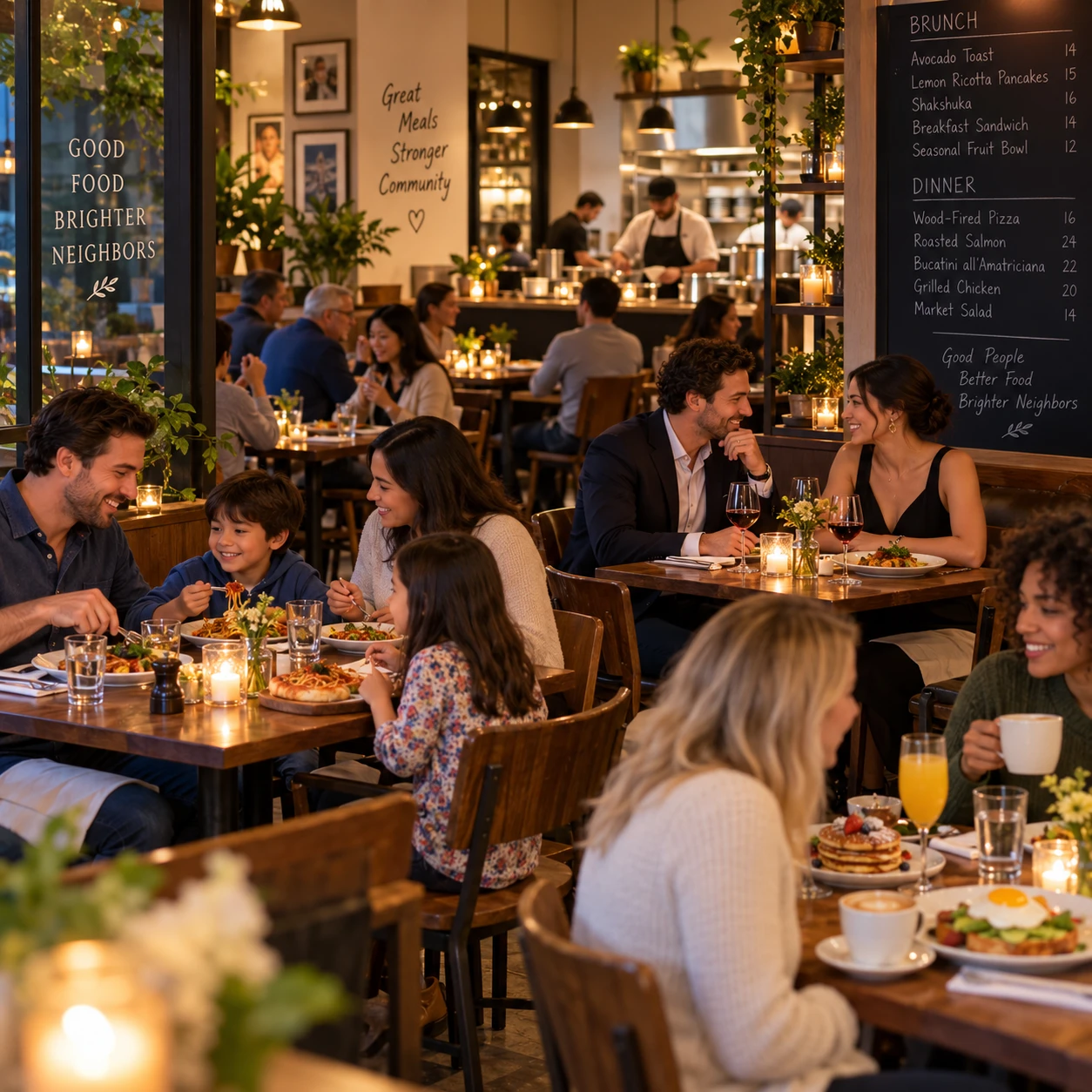
The best neighborhood restaurants make it easy to find a good meal close to home, whether you need a quick weeknight dinner or a comfortable place to celebrate. Look for welcoming service, dependable food, and an atmosphere that suits the occasion rather than relying on a single idea of what makes a restaurant special.
What Makes a Neighborhood Restaurant Worth Returning To?
A neighborhood restaurant is worth returning to when its food is consistent, its service feels welcoming, and its atmosphere fits the way you want to dine. The strongest local favorites deliver that experience across ordinary meals and meaningful occasions.
Consistency matters more than a perfect first impression. A concise menu with well-prepared dishes can be a better sign than an enormous selection that changes unpredictably. Notice whether staff can answer questions about ingredients, explain how dishes are served, and help diners with different needs.
Atmosphere is part of the meal, too. A lively room may suit a birthday or group dining, while a quieter dining area can make conversation easier on a date night. Neither is automatically better; the right fit depends on the people at your table and the kind of evening you have planned.
- Food and value: Are portions, quality, and menu prices clear and reasonable for the experience?
- Service: Do staff communicate clearly and handle requests with care?
- Practical details: Can you check hours, accessibility, dietary options, reservations, and takeout before you go?
A useful local guide weighs those details together. A restaurant may be a favorite for takeout but less suited to a long celebration; another may be ideal for a special occasion but too slow for a short dinner break.
Best Picks for Casual Weeknight Meals
For a casual weeknight meal, choose a neighborhood restaurant with straightforward ordering, familiar options, and a pace that matches your evening. Quick service and reliable takeout can matter just as much as a comfortable dining room.
Look for menus that make it easy to order a complete meal without turning dinner into a project. A neighborhood café, noodle shop, pizzeria, or casual dining spot may offer the right balance of variety and speed. Check whether the kitchen serves food throughout the hours you plan to visit, especially if you are arriving later.
Takeout is convenient, but it changes the experience: fried or crisp foods may soften during the trip, and a dish designed for sharing may travel better than a carefully plated entrée. If you are collecting dinner for several people, ask how the restaurant packages sauces and sides, and confirm the pickup time before leaving home.
For a short evening, consider three practical questions:
- Can you reach the restaurant easily from home, work, or transit?
- Does the menu offer quick choices for everyone in your party?
- Is the expected wait compatible with your schedule?
When speed is the priority, a familiar spot with a manageable menu may serve you better than a destination restaurant. For a relaxed meal, however, a slightly longer wait may be worthwhile if the room is comfortable and the service is attentive.
Restaurants for Date Night and Special Occasions
For date night or a special occasion, choose a restaurant with an atmosphere suited to conversation, a menu both diners can enjoy, and reservation options that fit your plans. Confirm the details in advance so the celebration feels easy rather than improvised.
Think about the kind of evening you want before choosing a cuisine or price range. A softly lit dining room may feel intimate, while a lively neighborhood restaurant can make a birthday dinner more energetic. If conversation matters, check recent descriptions or call to ask whether the room is typically busy or loud at your preferred time.
Menu variety helps when guests have different tastes or dietary needs. Review the menu for clear descriptions, vegetarian choices, and information about common allergens. If a celebration includes a cake, special seating request, or other arrangement, ask the restaurant directly; policies differ, and not every request can be accommodated.
Reservations are useful when timing matters, especially on weekends and holidays. Before booking, confirm the party size, arrival time, seating preferences, and any cancellation rules. A reservation can reduce uncertainty, but it does not guarantee a specific table or make a late arrival harmless, so contact the restaurant if plans change.
Match the setting to the occasion: choose comfort and conversation for a date, or a menu with plenty of shared choices for a milestone gathering. A memorable meal comes from fit, not simply from choosing the most formal or expensive place.
Family-Friendly Favorites
Family-friendly dining works best when a restaurant offers flexible food choices, comfortable seating, and a welcoming approach to diners of different ages. Practical details can make the outing smoother than a dedicated children’s menu alone.
Check whether the menu includes options children will eat alongside dishes adults enjoy. Shareable plates can help a family try several foods, while a few familiar choices can reduce stress for younger diners. If allergies or dietary restrictions are involved, contact the restaurant before arriving and ask how staff handle ingredient questions and cross-contact.
Seating also shapes the experience. A booth, space for a stroller, or a little room between tables may be helpful, but layouts vary. For larger families, call ahead to ask whether the restaurant can seat your party together and whether high chairs are available. During busy periods, arriving early may make the meal more comfortable.
Consider the setting honestly. A quiet dining room may be a poor match for an energetic group of young children, while a bustling café may feel overwhelming to someone who needs a calmer meal. The goal is to choose a place where the whole family can settle in without expecting every restaurant to suit every age or need.
- Review the menu and portion sizes before you go.
- Ask about seating, high chairs, and accessibility if these affect your visit.
- Choose a meal time that works with children’s routines and the restaurant’s busiest hours.
Where to Go for Brunch or a Group Gathering
For brunch or group dining, choose a restaurant with seating that can accommodate your party, menu options for varied tastes, and a clear way to manage timing. Larger gatherings need more coordination than a casual meal for two.
Brunch often combines breakfast and lunch dishes, which makes it easier to please a mixed group. Before choosing a spot, check the brunch hours, whether the menu is served to the whole table, and if the restaurant accepts reservations. Some places seat groups only when everyone has arrived; knowing that policy can prevent confusion.
For birthdays, reunions, or a meal with colleagues, ask about the maximum party size, seating arrangements, and whether the restaurant uses a set menu or a deposit for larger bookings. A restaurant may have plenty of seats overall but limited space for one large table. For very large groups, a private room or separate tables may be more practical.
Share the essential information with the group early: location, start time, expected cost, and any booking requirements. It helps guests plan, and it reduces last-minute questions for the host. If people are paying separately, confirm whether the restaurant can split the bill before the meal.

A lively room can make a gathering feel festive, but it may be harder for guests to hear one another. If conversation is central, ask about quieter seating or choose a less busy time.
How to Choose the Right Spot for Your Occasion
Choose the right neighborhood restaurant by matching your occasion to your budget, location, atmosphere, menu, and practical needs. A quick checklist helps narrow the options before you book or head out.
Use this simple occasion-to-fit check: start with the reason for the meal, then test each candidate against five needs.
- Budget: Check menu prices, drinks, service charges, and any set-menu requirements. Decide what feels comfortable for the whole group.
- Location: Consider travel time, parking or transit, and whether the route works for everyone attending.
- Atmosphere: Choose a room that suits the occasion, from relaxed and lively to quiet and intimate.
- Menu: Look for enough variety for the group, including relevant dietary choices and clear ingredient information.
- Logistics: Confirm hours, reservation policies, accessibility, expected wait, and takeout options where relevant.
Then check the restaurant’s current information rather than relying on an old listing. Menus, hours, and booking policies can change. If a detail could make or break the meal, such as seating for a mobility device or a severe allergy, contact the restaurant directly.
A common mistake is choosing by cuisine alone. The food may sound appealing, but a long wait, noisy room, or limited seating can undermine the occasion. Another is assuming that a group can walk in without notice; call ahead when several people are meeting, particularly at peak times.
Keep the final choice simple: pick the place that meets the occasion’s essential needs, then let personal taste decide between the remaining options. That approach works for a modest weeknight dinner as well as a planned celebration.
Frequently Asked Questions
What should I look for in a neighborhood restaurant? Look for consistent food, welcoming service, an atmosphere that suits your plans, transparent menu information, and practical details such as hours and accessibility.
How do I choose a restaurant for a group? Confirm the restaurant can seat your party, review menu variety and budget, and ask about reservations, deposits, separate checks, and any group dining rules.
Should I make a reservation for a special occasion? Yes, when the timing or seating matters. Book ahead, share any relevant requests, and confirm the restaurant’s policies; a reservation helps with planning but cannot guarantee every seating preference.
How can I find a restaurant that suits different budgets? Compare menus before booking, including drinks and fixed-price options, and agree on a comfortable spending range with your group. A casual neighborhood restaurant can offer a satisfying occasion without requiring a formal setting.